BFCM Fraud Checklist: Prepping Stripe, Shopify & Adyen
BFCM fraud defense is tactical tuning in Stripe Radar, Shopify Flow, Blockify, and Adyen RevenueProtect about two weeks before the surge. Tighten card-testing rules, adjust velocity thresholds for peak traffic, and staff the review queue so testing gets caught without false declines. FraudPulse ranks those changes. It does not replace those tools.
By Idan Hayon
Co-Founder & CEO
BFCM fraud defense is tactical tuning in Stripe Radar, Shopify Flow, Blockify, and Adyen RevenueProtect about two weeks before the surge. Tighten card-testing rules, adjust velocity thresholds for peak traffic, and staff the review queue so testing gets caught without false declines. FraudPulse ranks those changes. It does not replace those tools.
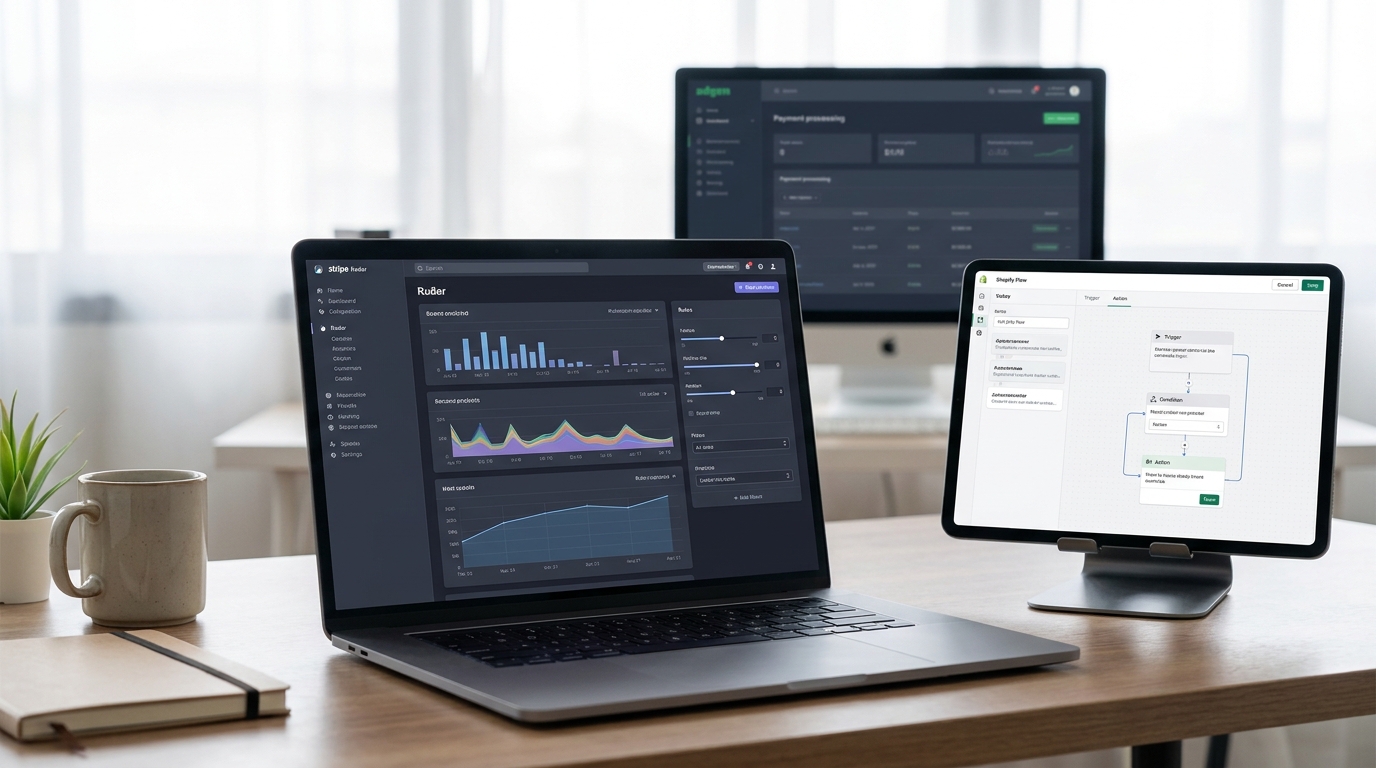
Black Friday and Cyber Monday (BFCM) bring a flood of orders. Fraudsters use that flood to hide card testing and stolen-card attempts inside legitimate holiday traffic. Waiting until the rush starts means you are tuning rules while checkout is already under load. The work belongs in the tools you already run, about two weeks out.
Two weeks out: tune the tools you already have
You do not need a new checkout vendor for BFCM. Stripe Radar, Shopify Flow, Blockify, and Adyen RevenueProtect already decide which payments to allow, review, or block. The job is to change the rules that will misfire when volume jumps, and to leave room for good customers who buy more, faster, and from new devices.
Do this before the surge, not during it:
- Tighten card-testing rules so rapid low-value attempts do not ride along with real holiday orders.
- Raise or reshape velocity thresholds so a genuine customer buying gifts for several people is not treated like a bot.
- Staff the manual review queue. A rule that sends every borderline order to review will bury the queue on Friday morning.
Stripe Radar
Radar is the enforcement layer for Stripe checkouts. Before BFCM, review three settings.
Card testing. Look for many small attempts, many cards, or many failures from the same email, IP, or device in a short window. Block or step up those patterns. A single failed payment from a returning customer is not the same pattern.
Velocity. Holiday buyers place more orders, use phones on store wifi, and ship to addresses that are not their billing address. A velocity rule that was correct in October can decline good customers in late November. Adjust the threshold for peak traffic, and keep a tighter rule for the card-testing pattern.
Review queue and allow-lists. If Radar sends an order to review, someone has to clear it before the customer gives up. Allow-list known good customers and your own test cards so they do not consume review time. Do not allow-list a whole country or a whole BIN range to “get through the weekend.”
Shopify Flow and Blockify
Shopify Flow and Blockify are the controls most Shopify stores already have. Use them for the same three jobs: card testing, velocity, and a review path that a person can actually clear.
Flow is where you hold or tag an order before it ships. Blockify is where you block known-bad signals at checkout. Put card-testing velocity in the block path. Put “new customer, high amount, mismatched address” in a hold that your team can release, not in a silent decline. A silent decline during BFCM is a lost order you will not see in the dispute report.
Adyen RevenueProtect
If you process on Adyen, RevenueProtect is the same kind of control. Review risk rules that fire on velocity, card testing, and mismatched shipping before the traffic spike. Do not add a new rule on Friday because a single order looked odd. Change the rule that has been declining good customers, or the rule that has been letting testing through, and leave the rest alone until you can measure it.
Dispute evidence and false declines
BFCM chargebacks arrive in December and January, after the campaign is over. While orders are flowing, save what you will need later: delivery confirmation, the billing descriptor the customer saw, and the policy they accepted. That evidence matters for friendly fraud. It does not fix a checkout rule that declined a good customer who never placed the order.
False declines are the other BFCM cost. A tighter card-testing rule is useful. A blanket velocity cut is not. If the review queue is already full, more “review” outcomes are declines in practice.
What FraudPulse does in this stack
FraudPulse does not replace Stripe Radar, Shopify Flow, Blockify, or Adyen RevenueProtect, and it does not take over checkout. It reads the transactions and disputes you already have and ranks which of those rules to change, with an estimate of fraud captured and good customers declined. For BFCM, that ranking is how you decide which threshold to move before the surge, instead of editing rules while the queue is on fire.
See how the ranked changes fit the tools you already run, or book a walkthrough before your peak week.
FAQ
Frequently asked questions
More buyer questions on Radar, Flow, Blockify, chargebacks, and SMB fraud tools.
View FAQMore from the blog
Ready to see it
on your data?
Book a live walkthrough and see how FraudPulse turns your payment data into actionable fraud intelligence.